
Technical Whitepaper
Official technical documentation published by Fobisoft Solutions Ltd.
Hospitum Security & Privacy Whitepaper
This whitepaper provides a technical overview of the security architecture, authentication framework, identity management, auditing capabilities and privacy controls implemented within the Hospitum Hospital Information Management System (HIMS).
Technical Contents
This technical whitepaper presents the security architecture, identity management, clinical workflows and operational controls implemented within Hospitum Enterprise Hospital Information Management System (HIMS).
Executive Summary
Hospitum Enterprise Hospital Information Management System (HIMS) has been designed with security, privacy and operational resilience as foundational principles rather than optional features. Every subsystem within the platform contributes to the protection of sensitive healthcare information while supporting efficient clinical and administrative workflows.
The platform implements a defence-in-depth security model that combines strong authentication, configurable Role-Based Access Control (RBAC), comprehensive audit logging, secure software engineering practices, encrypted communications and disciplined operational governance. Together, these controls protect patient confidentiality, preserve data integrity and maintain service availability across healthcare environments of different sizes.
This technical whitepaper provides an overview of the principal security capabilities implemented within Hospitum Enterprise HIMS. It demonstrates how the platform assists healthcare organisations in meeting modern cybersecurity expectations while providing administrators with practical tools for managing users, monitoring activity and maintaining accountability throughout the patient care lifecycle.
This document presents the major security architecture, authentication mechanisms, privacy controls and governance capabilities implemented within Hospitum Enterprise HIMS. Screenshots throughout the document illustrate actual system interfaces to provide readers with a practical understanding of how these capabilities are implemented within the product.
Authentication & Identity Management
Authentication represents the first layer of defence within Hospitum Enterprise Hospital Information Management System (HIMS). Every user must successfully authenticate before accessing patient records, financial information or clinical workflows.
Hospitum validates user credentials against authorised system accounts while enforcing configurable security controls including password verification, account status validation and user group assignment. This ensures that only authorised personnel are permitted to access protected healthcare information.
Multiple authentication scenarios are handled securely, providing administrators with complete control over active, disabled, locked and blocked user accounts while maintaining detailed auditability throughout the authentication lifecycle.
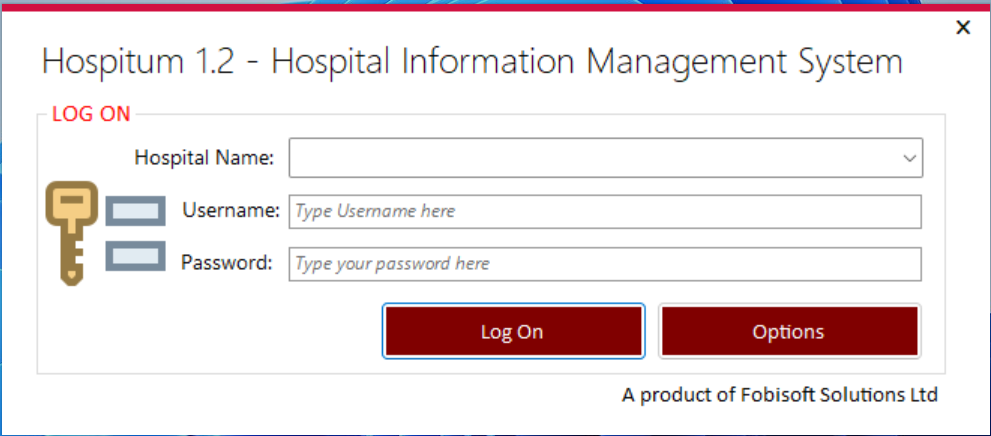
- Secure username and password authentication.
- Role-based user identification.
- Authentication before system access.
- Centralised user account management.
- Audit-ready authentication process.
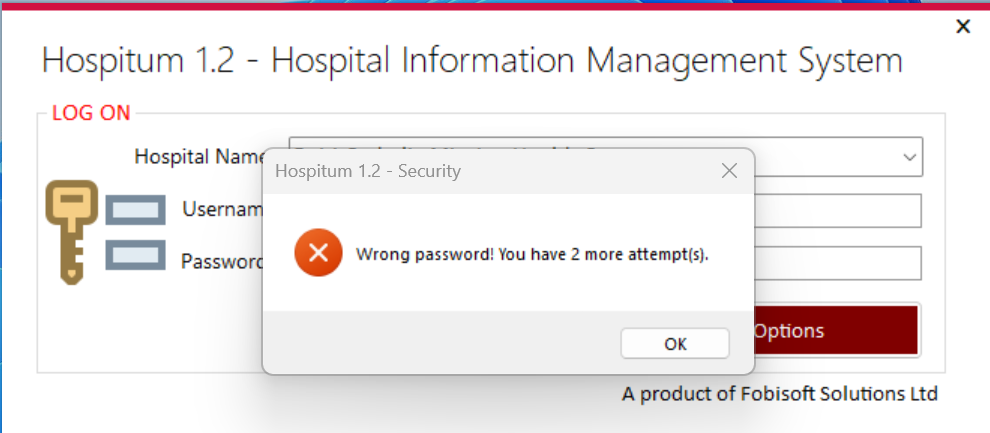
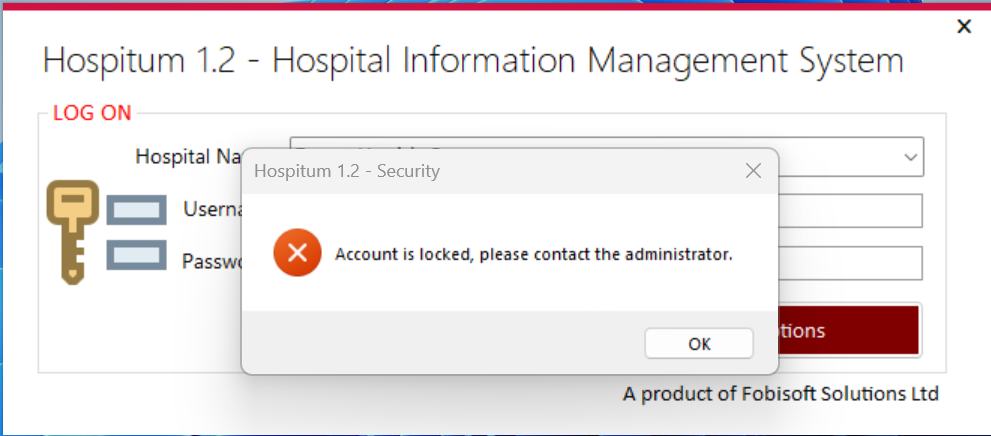
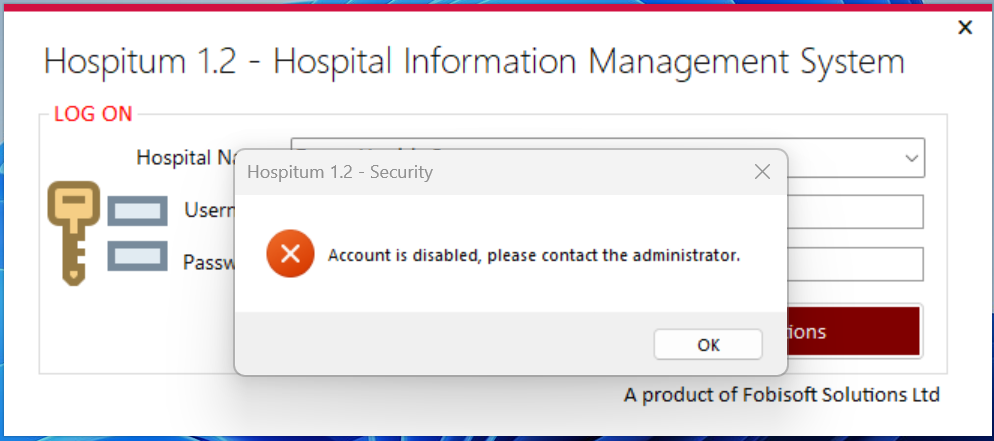
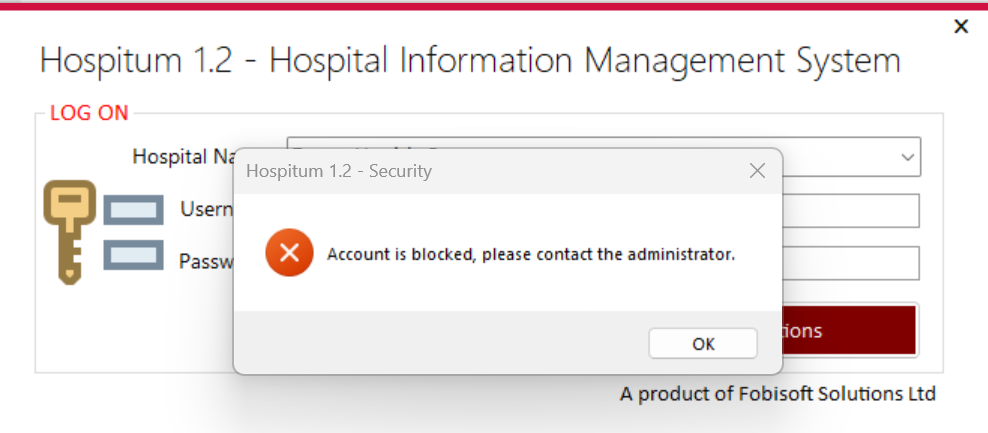
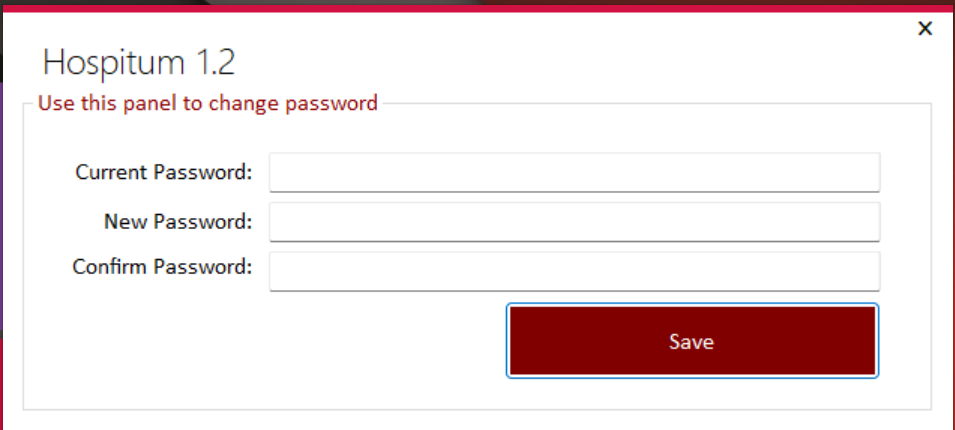
Hospitum enforces authenticated system access through secure credential validation, configurable account controls, password management and administrative account governance. Authentication events integrate seamlessly with the platform's auditing framework to support accountability, operational oversight and regulatory compliance.
Patient Registration & Management
Patient registration represents the foundation of every clinical workflow within Hospitum Enterprise Hospital Information Management System (HIMS). The platform captures patient demographic information, contact details, identification, insurance information and other clinical metadata within a centrally managed electronic patient record.
Every patient is assigned a unique system identity, allowing authorised users to retrieve medical information accurately throughout subsequent consultations, laboratory requests, pharmacy dispensing, billing and reporting activities.
Built-in validation mechanisms reduce duplicate registrations while ensuring patient information remains accurate, traceable and securely available throughout the healthcare journey.
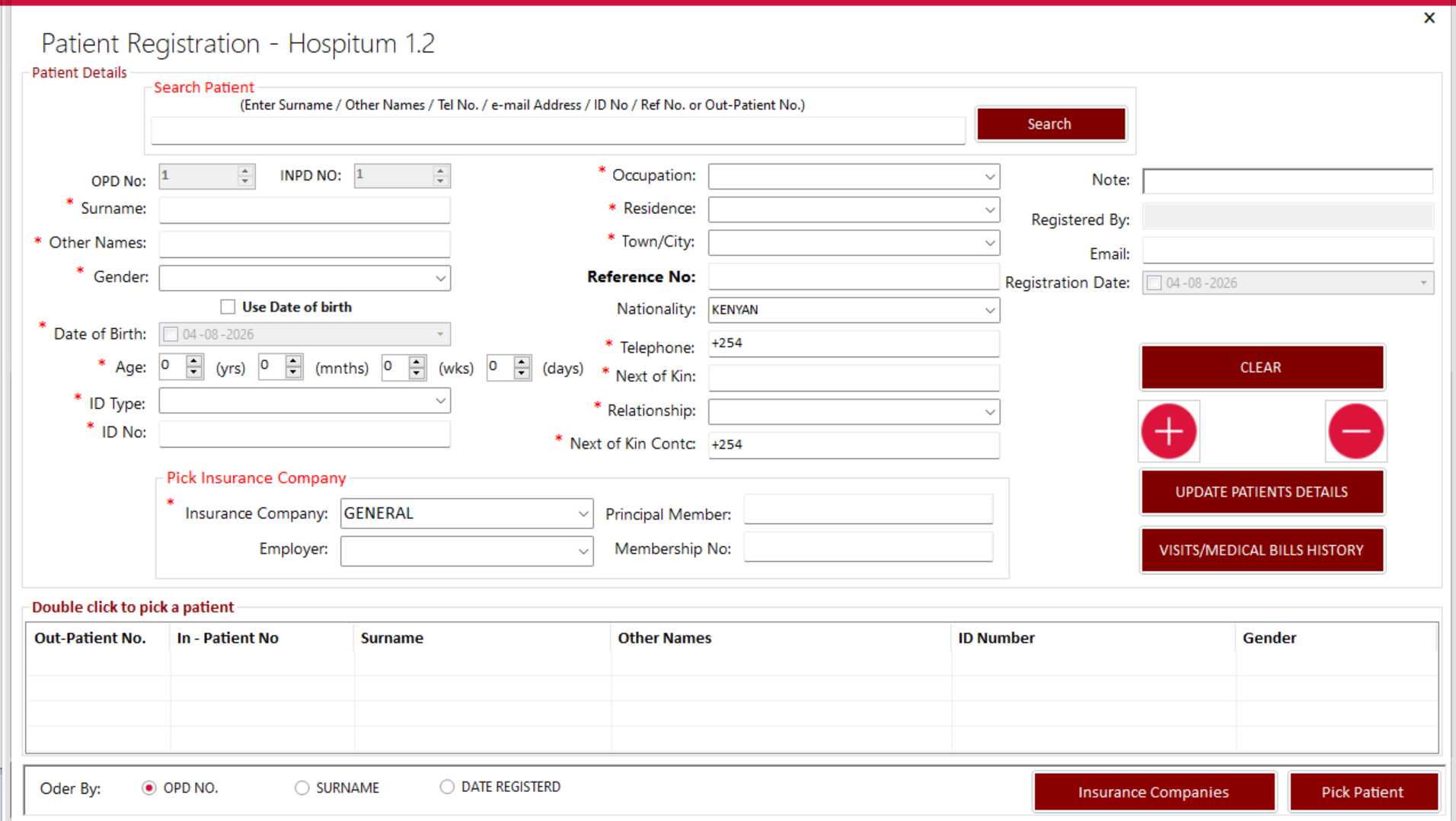
- Centralised electronic patient records.
- Unique patient identification.
- Comprehensive demographic capture.
- Support for insured and cash-paying patients.
- Duplicate registration prevention.
- Secure patient information management.
Patient information entered during registration becomes available throughout the Hospitum platform, allowing authorised clinical, laboratory, pharmacy and financial modules to operate from a single source of verified patient information while maintaining complete auditability.
Clinical Consultation & Patient Care
Hospitum provides clinicians with a fully integrated electronic consultation environment designed to support efficient patient assessment, diagnosis, treatment planning and continuity of care. Clinical activities are performed within a secure workflow that ensures patient information remains accurate, accessible to authorised personnel and traceable throughout the patient's healthcare journey.
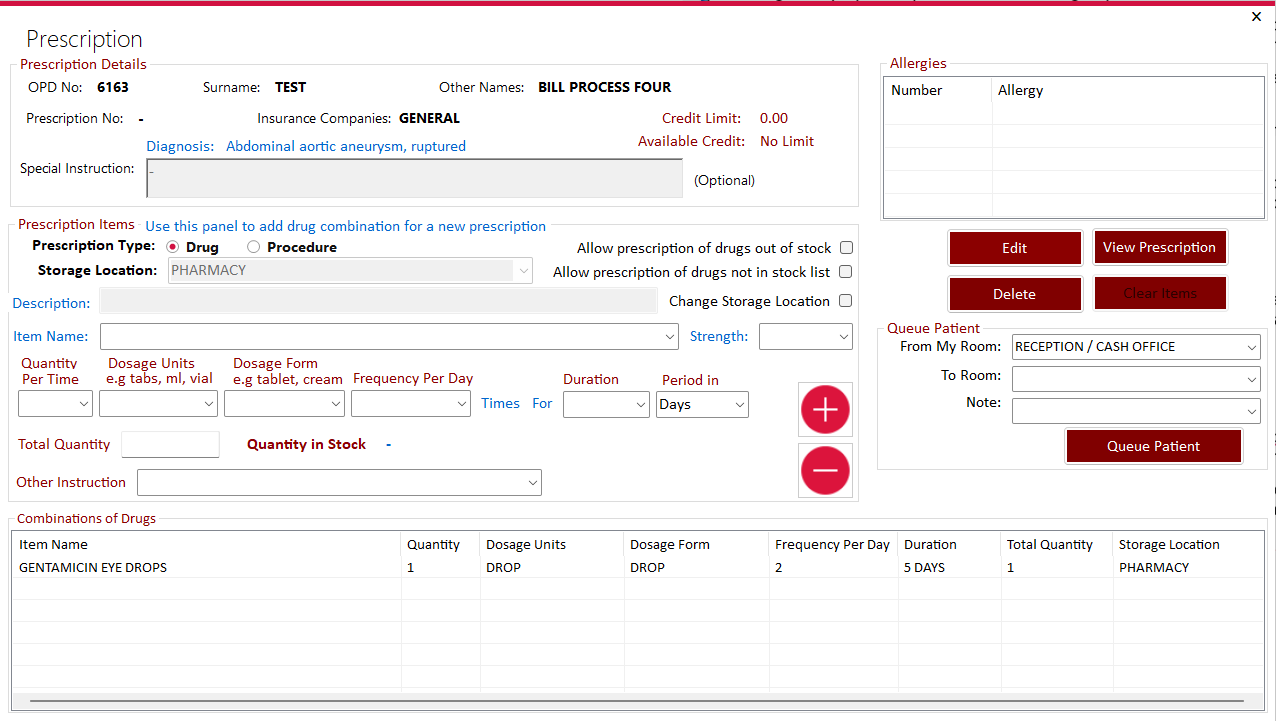
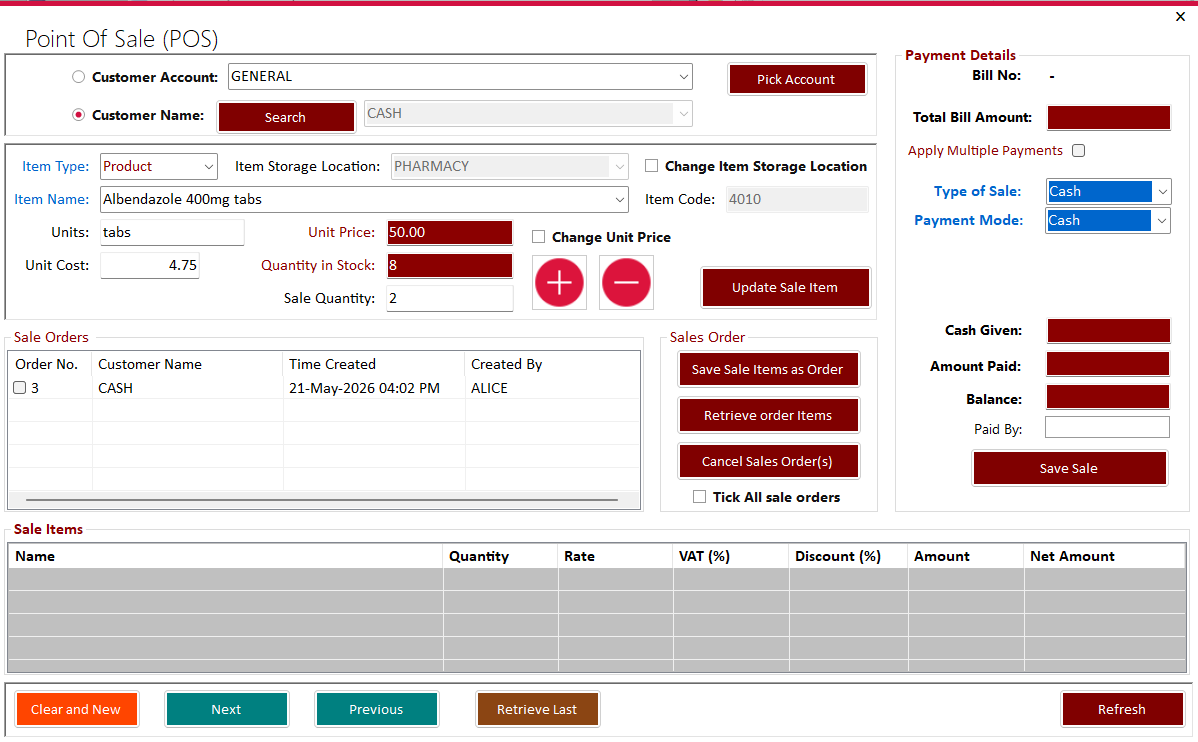
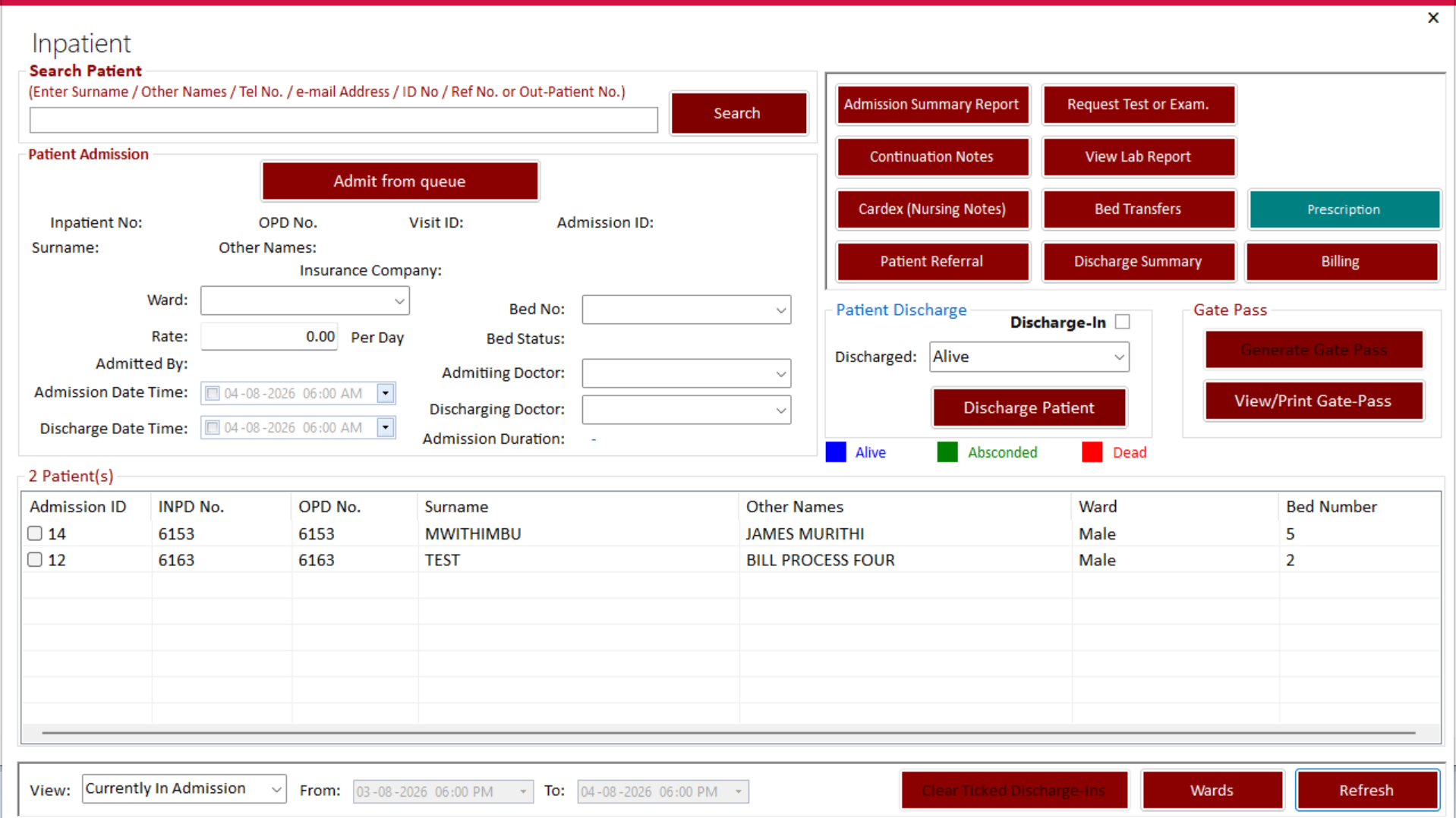
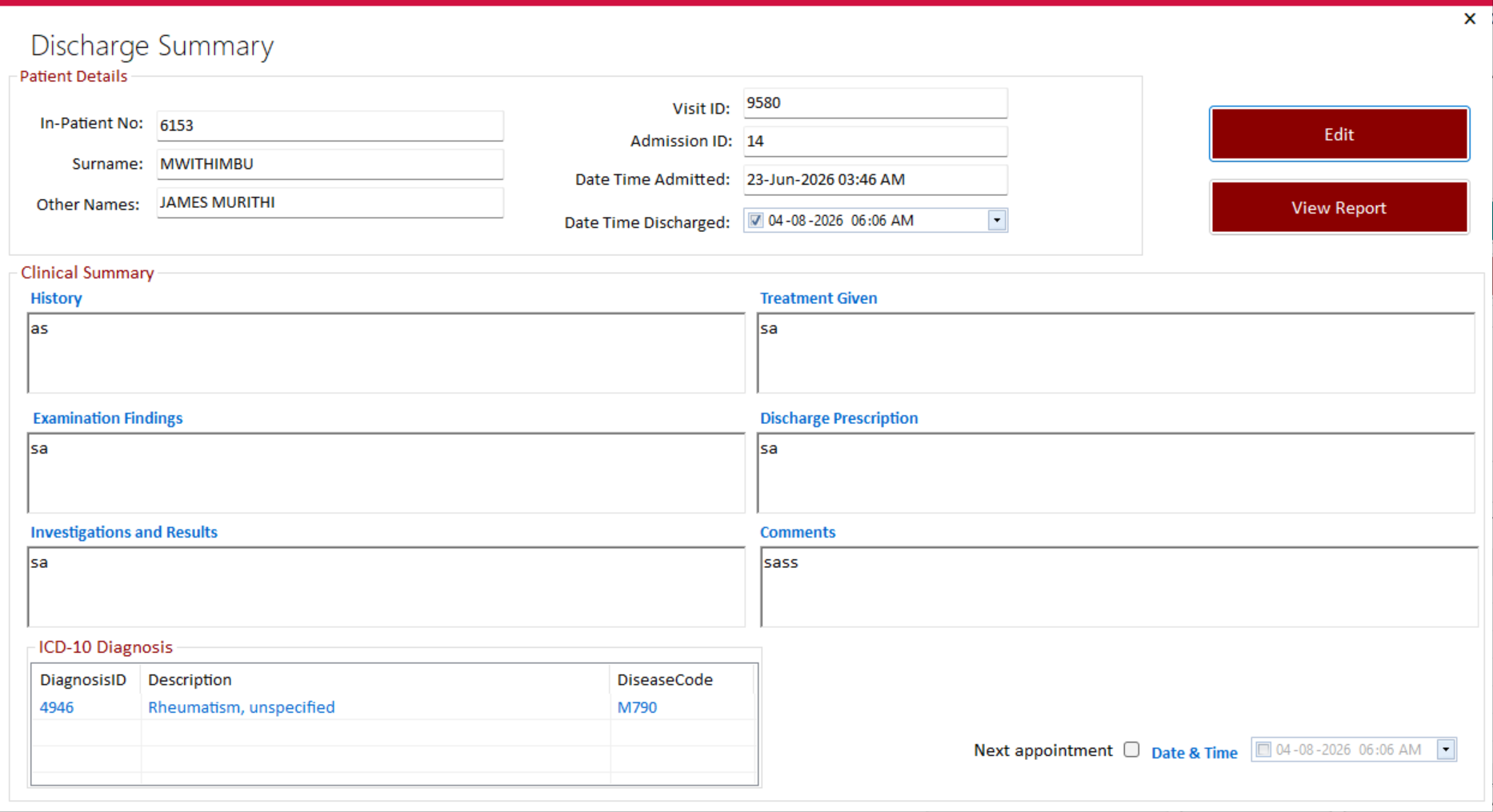
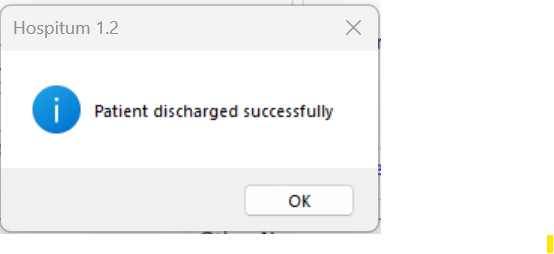
From patient admission through discharge, Hospitum connects consultations, laboratory requests, radiology services, prescriptions, pharmacy dispensing and inpatient management within a unified clinical platform. Every action performed by authorised users contributes to a complete electronic medical record while supporting accountability through comprehensive audit logging.
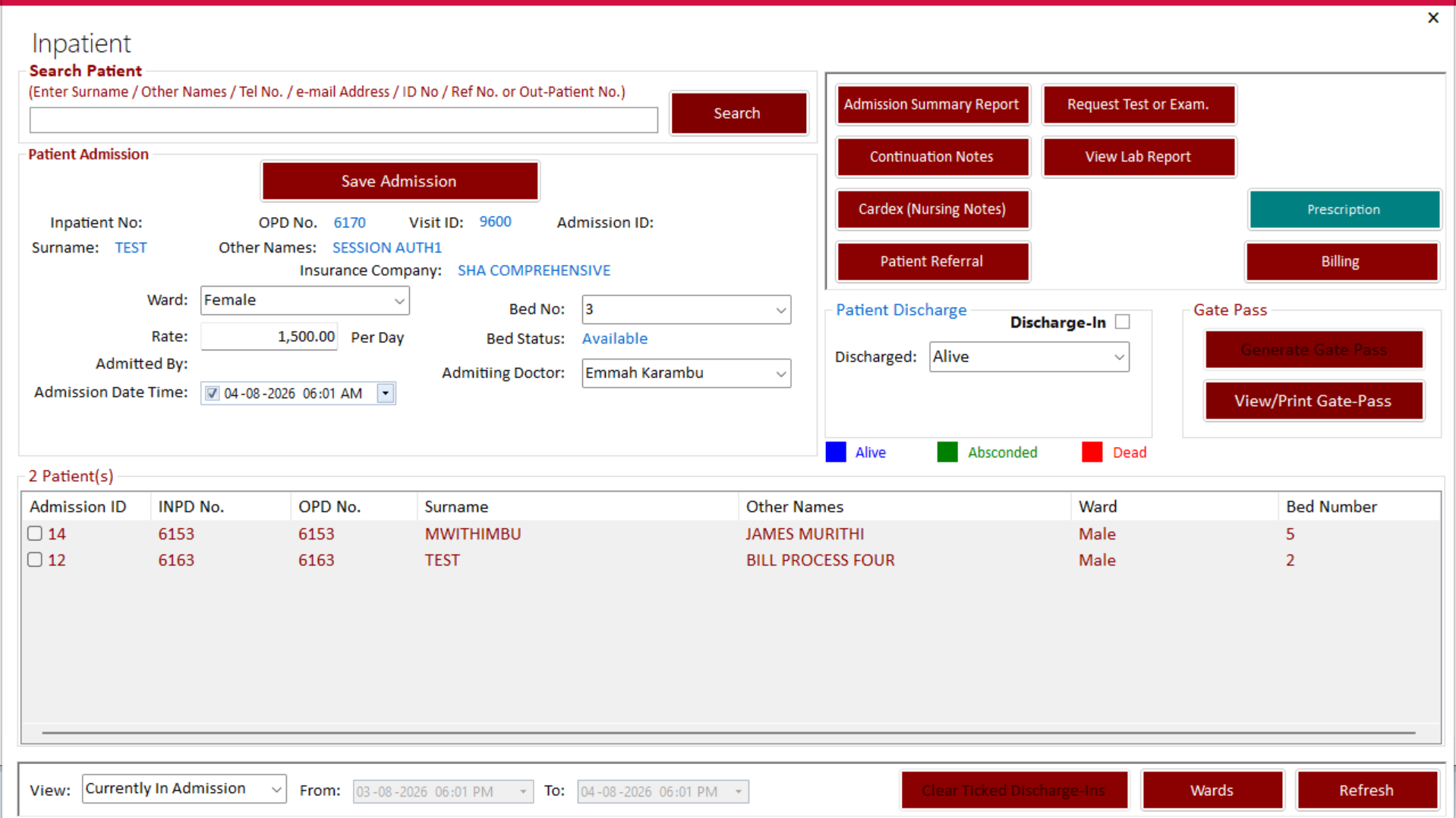
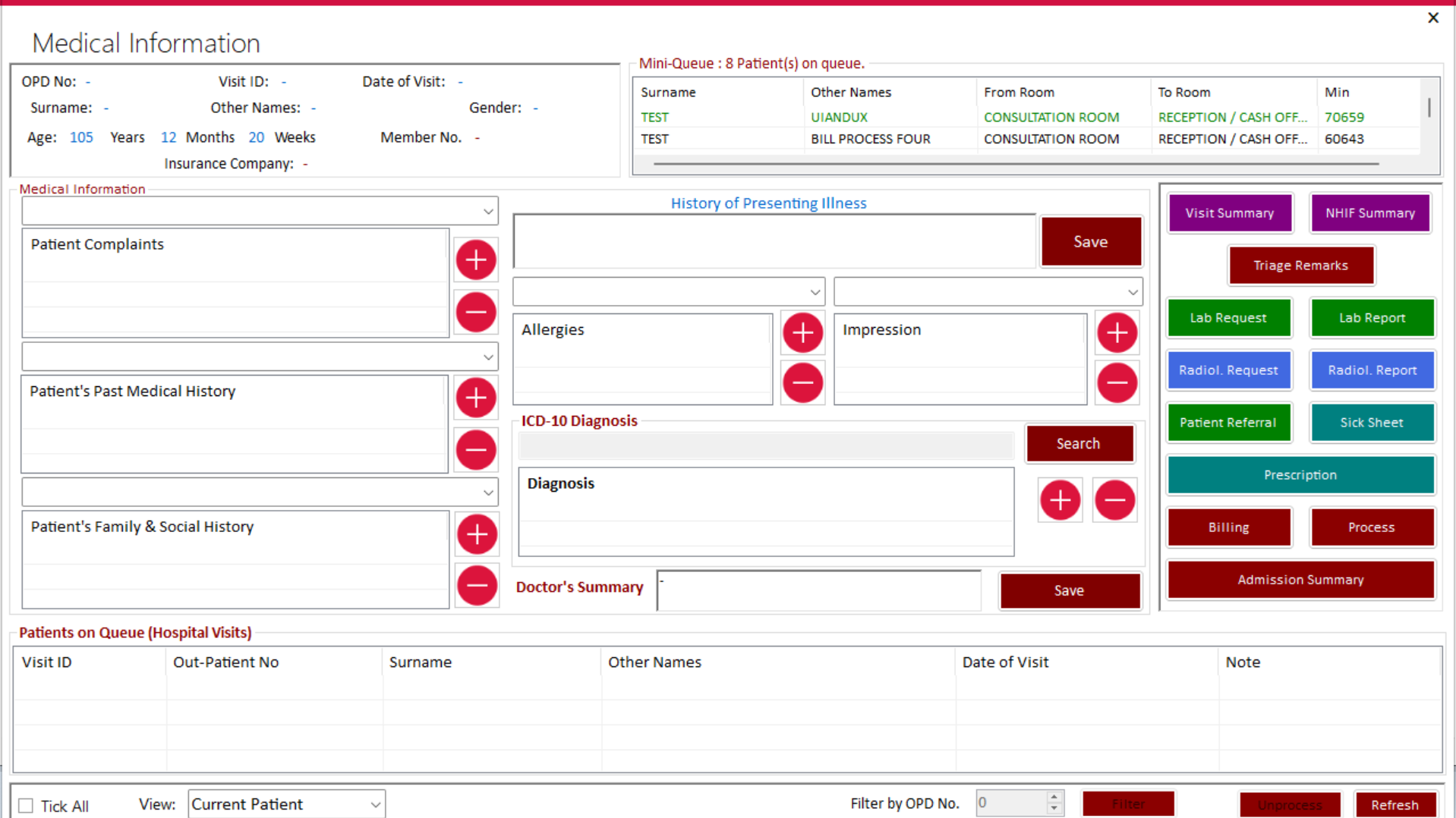
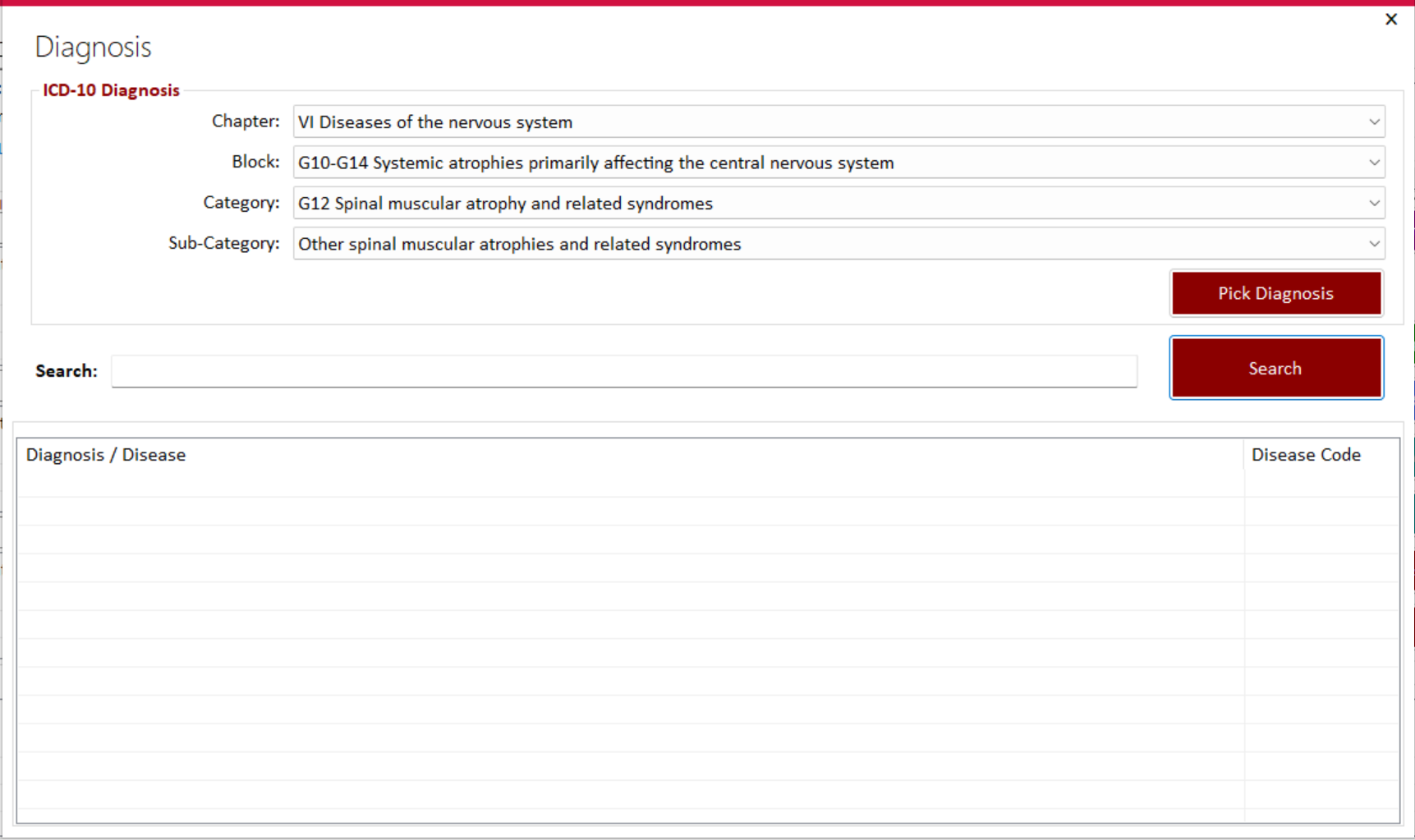
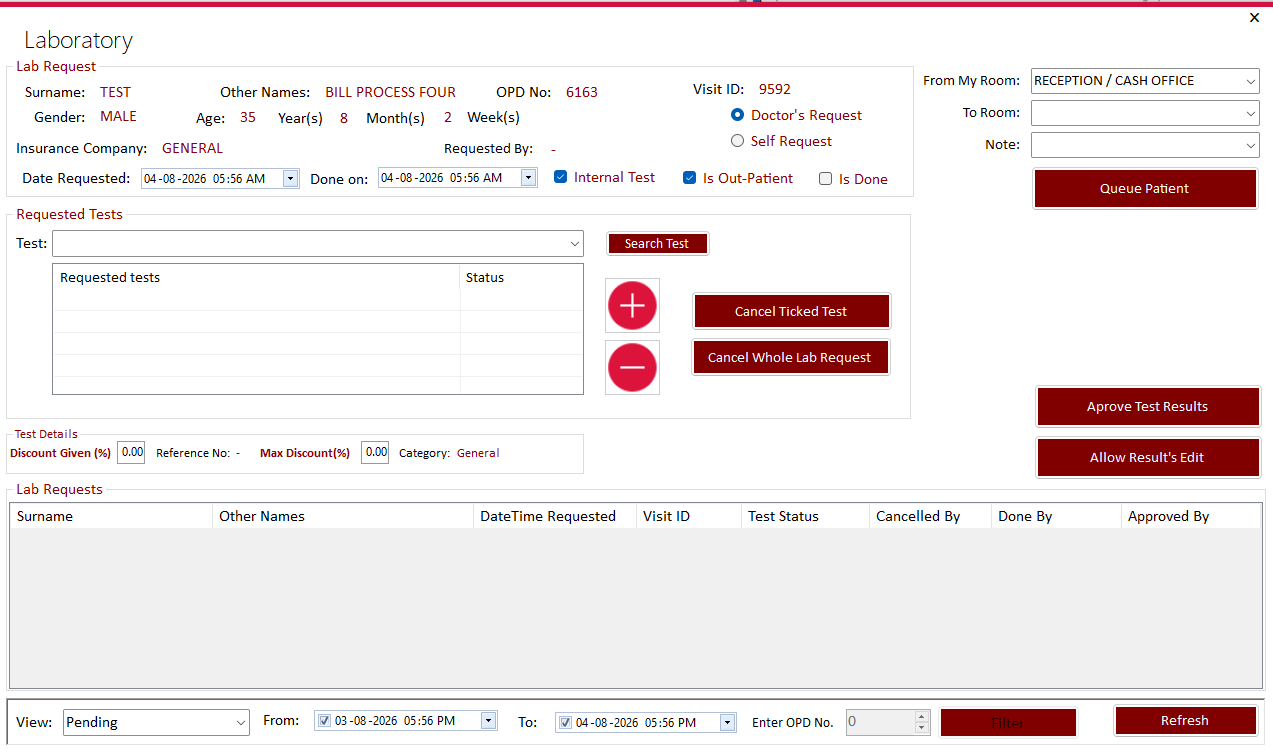
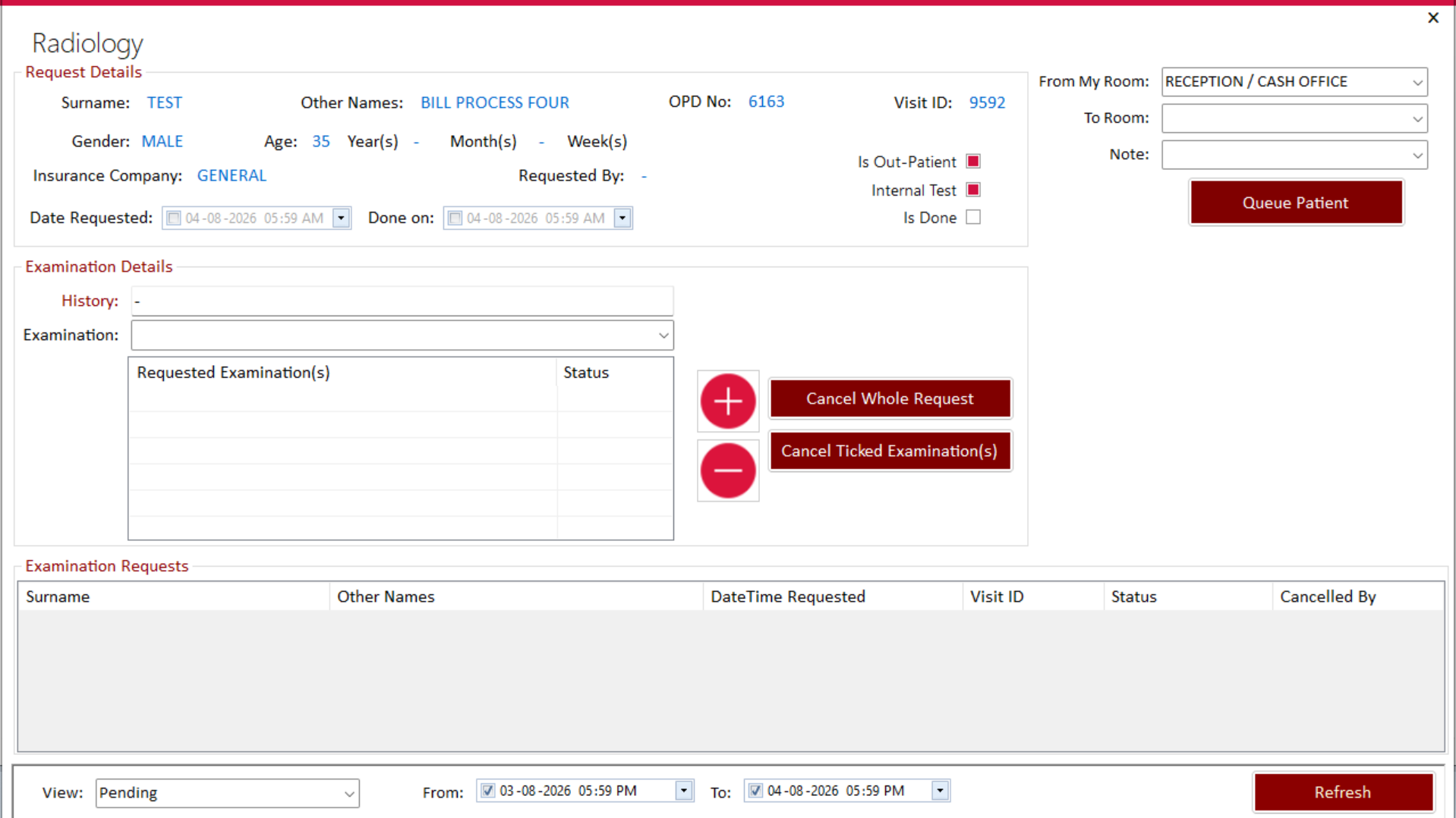
- Integrated consultation workspace.
- Electronic diagnosis recording.
- Laboratory and radiology order management.
- Electronic prescription generation.
- Pharmacy workflow integration.
- Inpatient admission support.
- Electronic discharge summaries.
- Complete patient care traceability.
Every clinical action performed within Hospitum is securely linked to the authenticated user account responsible for the activity. This ensures complete accountability while maintaining a continuous electronic medical record that supports patient safety, operational efficiency and regulatory compliance.
Laboratory Information Management
Hospitum integrates laboratory services directly into the clinical workflow, allowing clinicians to request diagnostic investigations electronically while enabling laboratory personnel to receive, process and publish results from within a unified platform.
Electronic order management eliminates manual paperwork, improves turnaround times and reduces transcription errors. Laboratory results become immediately available to authorised clinicians, supporting timely diagnosis and informed clinical decision-making.
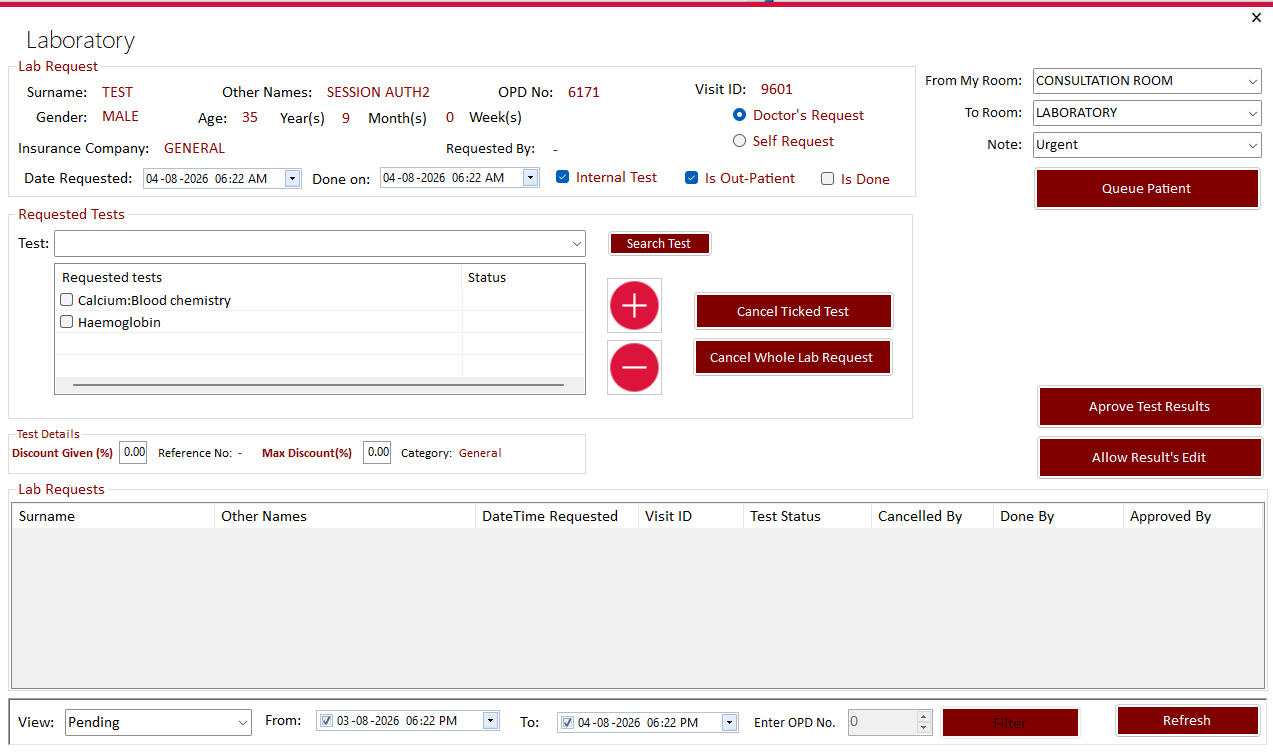
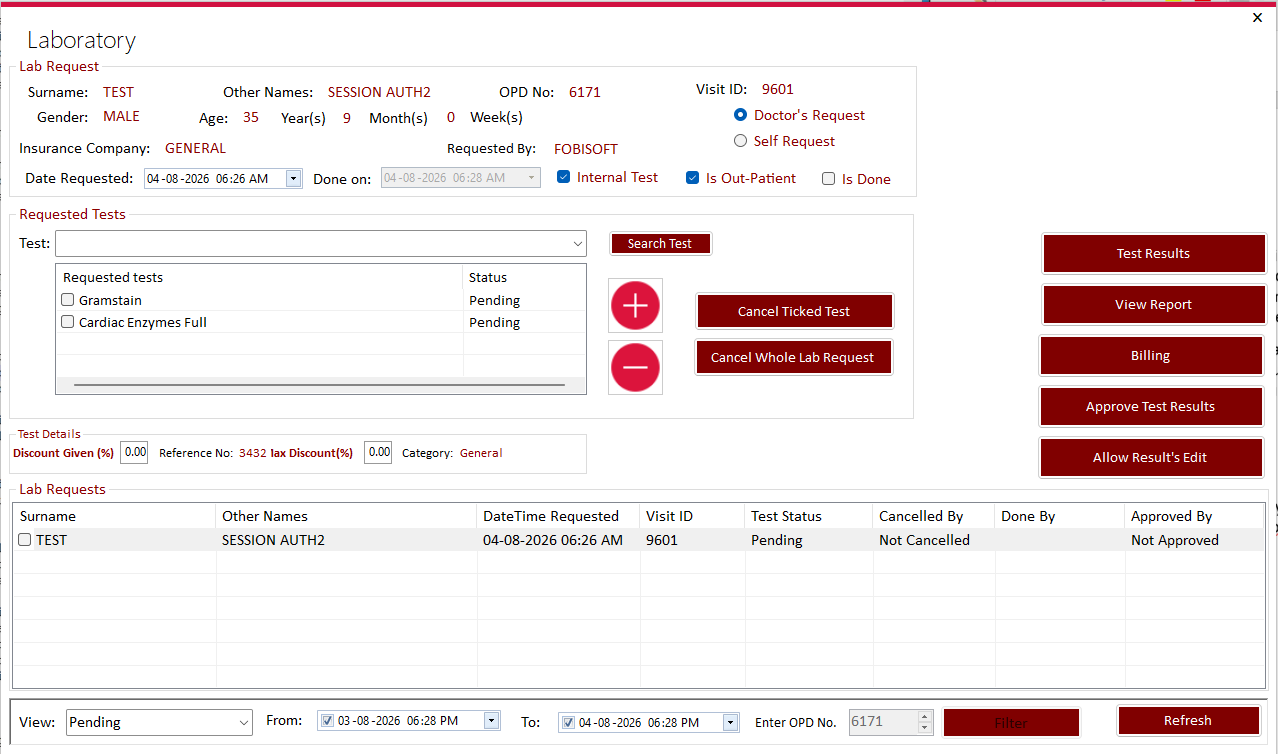
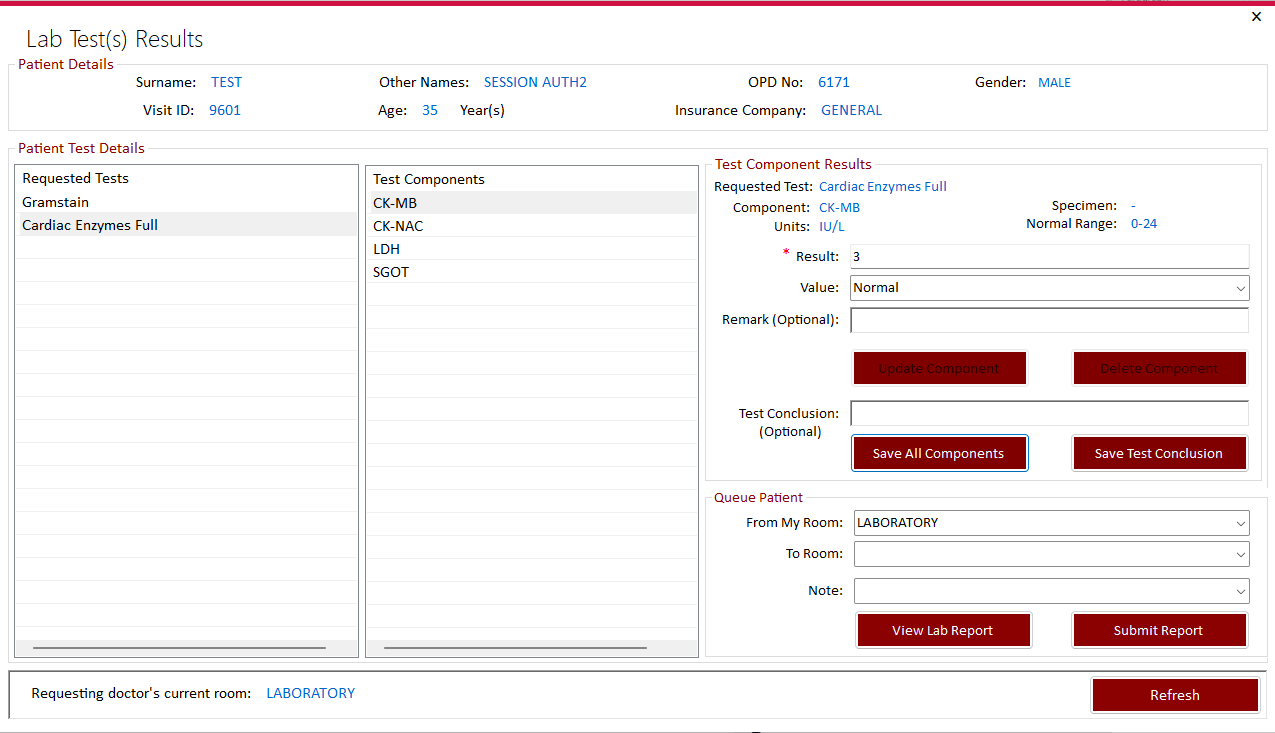
- Electronic laboratory order management.
- Real-time specimen workflow tracking.
- Laboratory result entry and publication.
- Integration with clinical consultations.
- Automatic billing for laboratory services.
- Secure access to authorised healthcare personnel.
- Comprehensive audit logging of laboratory activities.
Laboratory requests, processing activities and published results are securely linked to authenticated users, preserving a complete audit trail while ensuring the integrity and confidentiality of diagnostic information throughout the patient care lifecycle.
Pharmacy & Medication Management
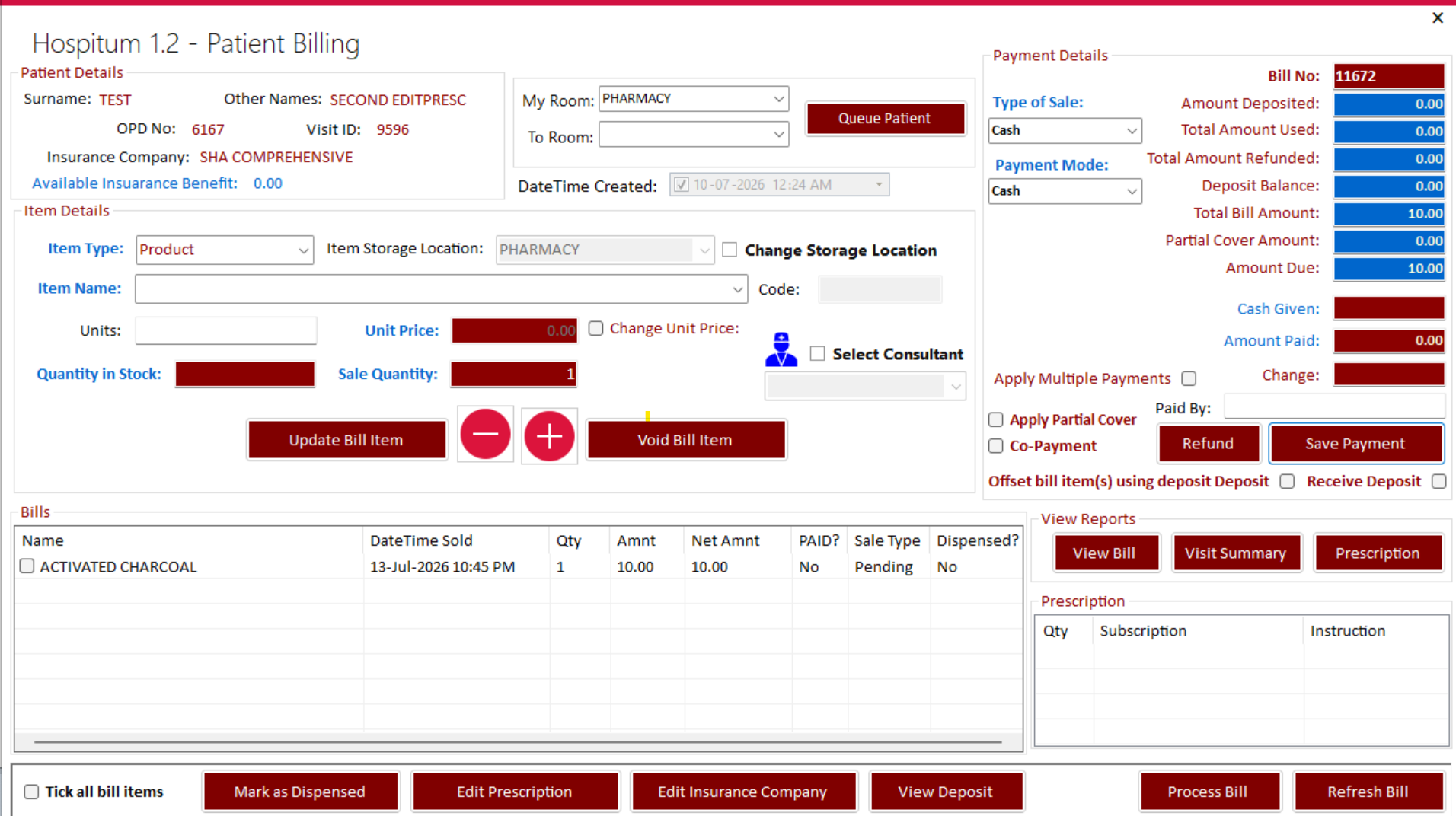
Hospitum integrates pharmacy operations directly into the clinical workflow, enabling authorised healthcare professionals to prescribe, dispense and manage medications from a unified healthcare platform. Electronic prescriptions generated during patient consultations flow seamlessly into the pharmacy, supporting efficient medication dispensing while reducing manual transcription errors.
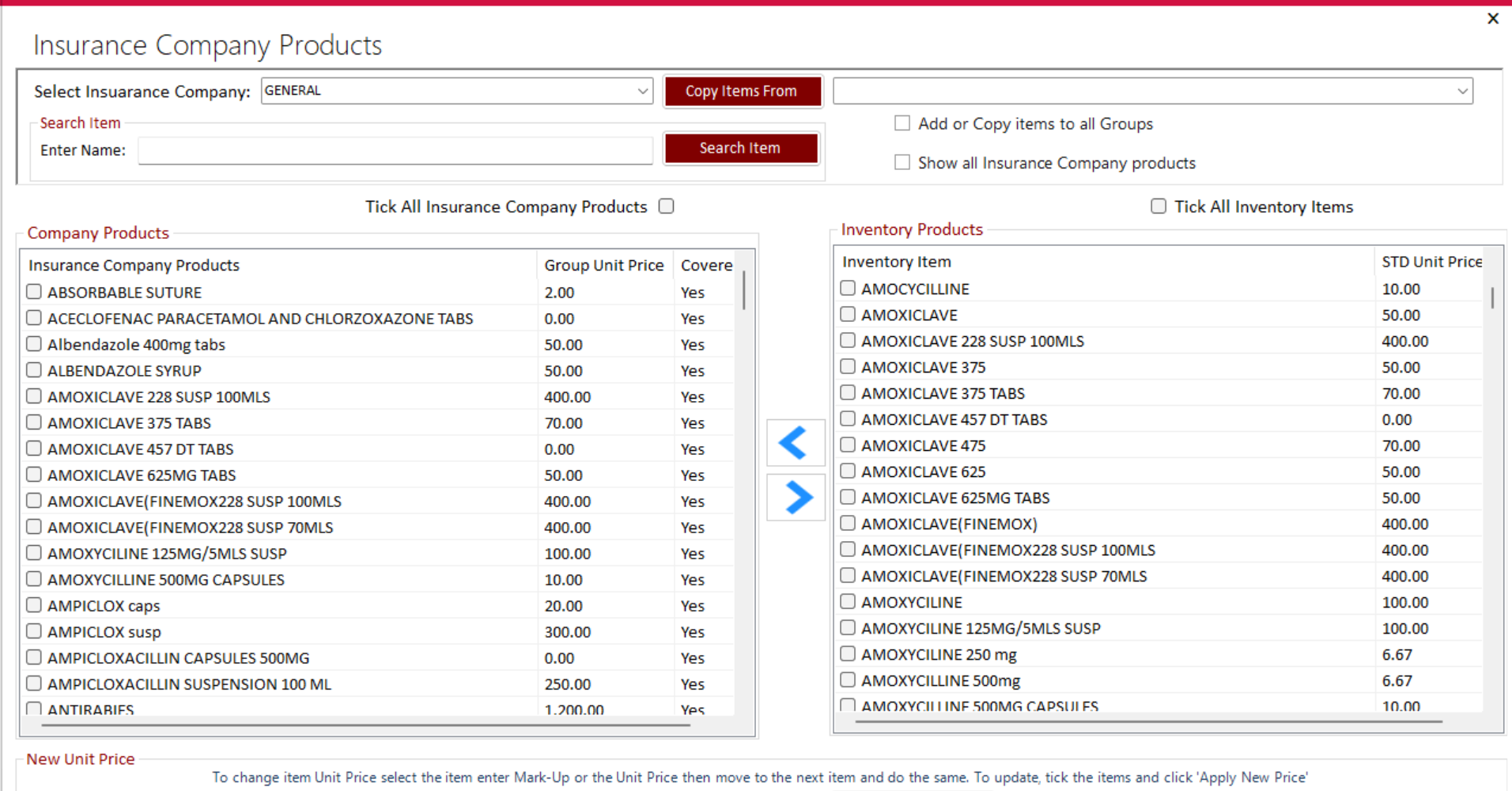
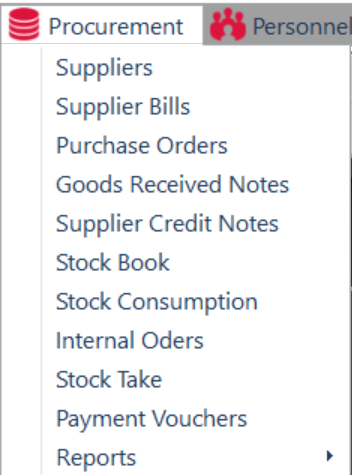
Beyond dispensing, the platform provides comprehensive drug catalogue management, procurement support and financial integration, ensuring medication availability while maintaining accountability throughout the medication lifecycle.
- Integrated electronic prescription workflow.
- Centralised medication catalogue management.
- Medication dispensing controls.
- Automated pharmacy billing integration.
- Procurement and inventory support.
- Role-based access to pharmacy operations.
- Comprehensive audit logging of medication activities.
Pharmacy activities are fully integrated with clinical, inventory and financial modules, ensuring medication records, billing transactions and procurement processes remain synchronised while preserving a complete audit trail for all authorised user activities.
Billing & Financial Controls
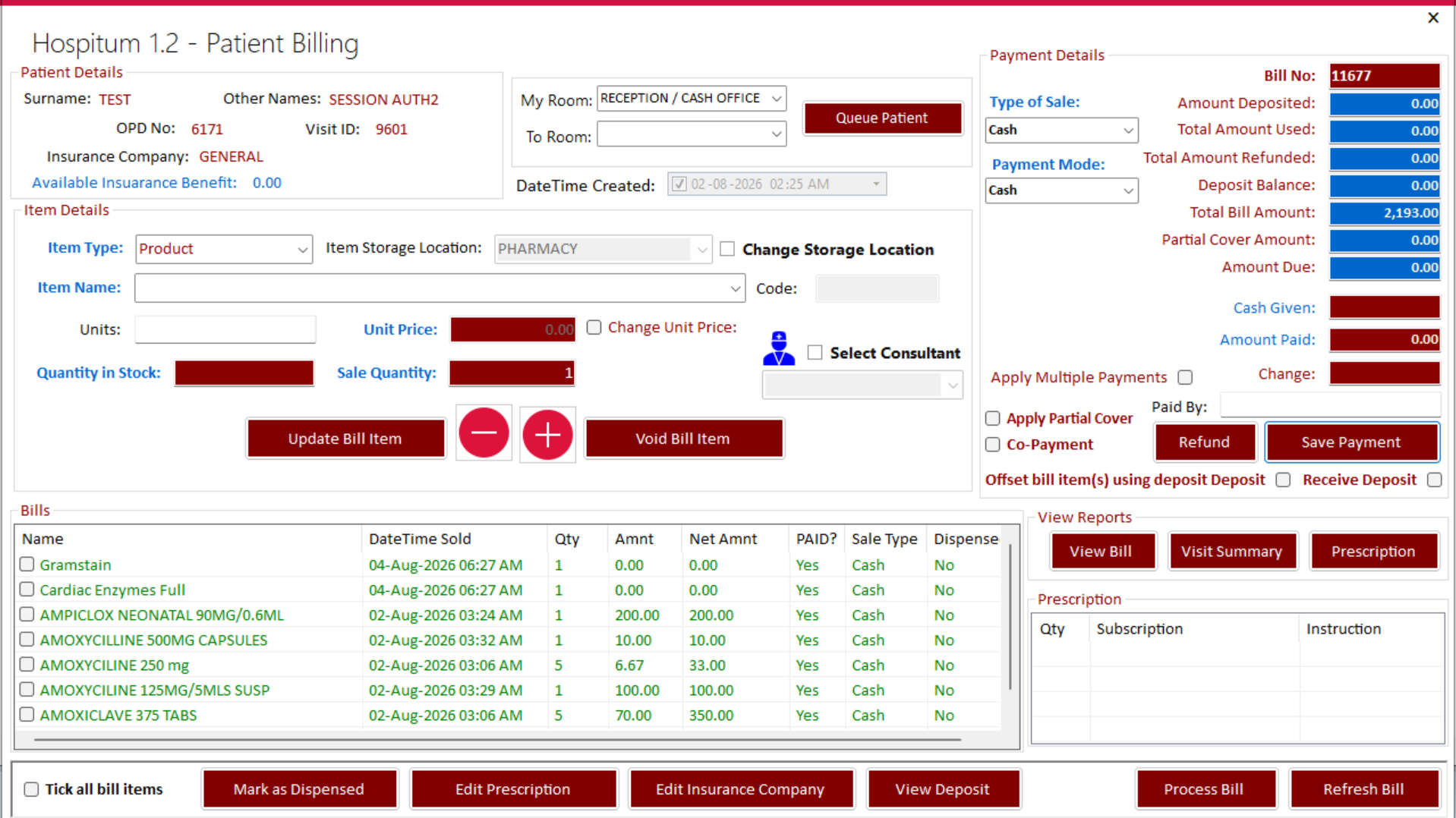
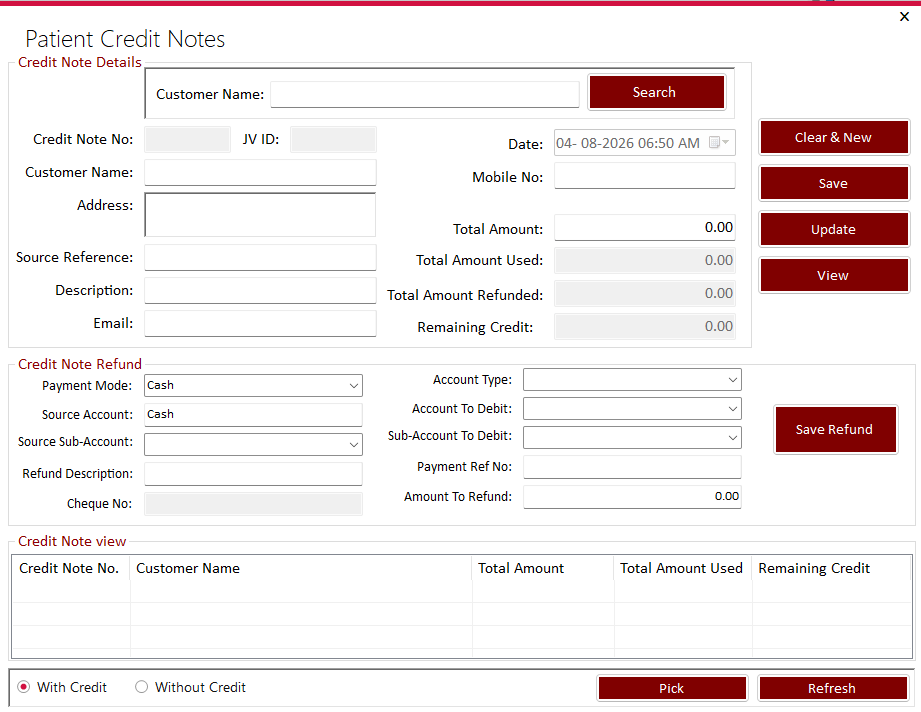
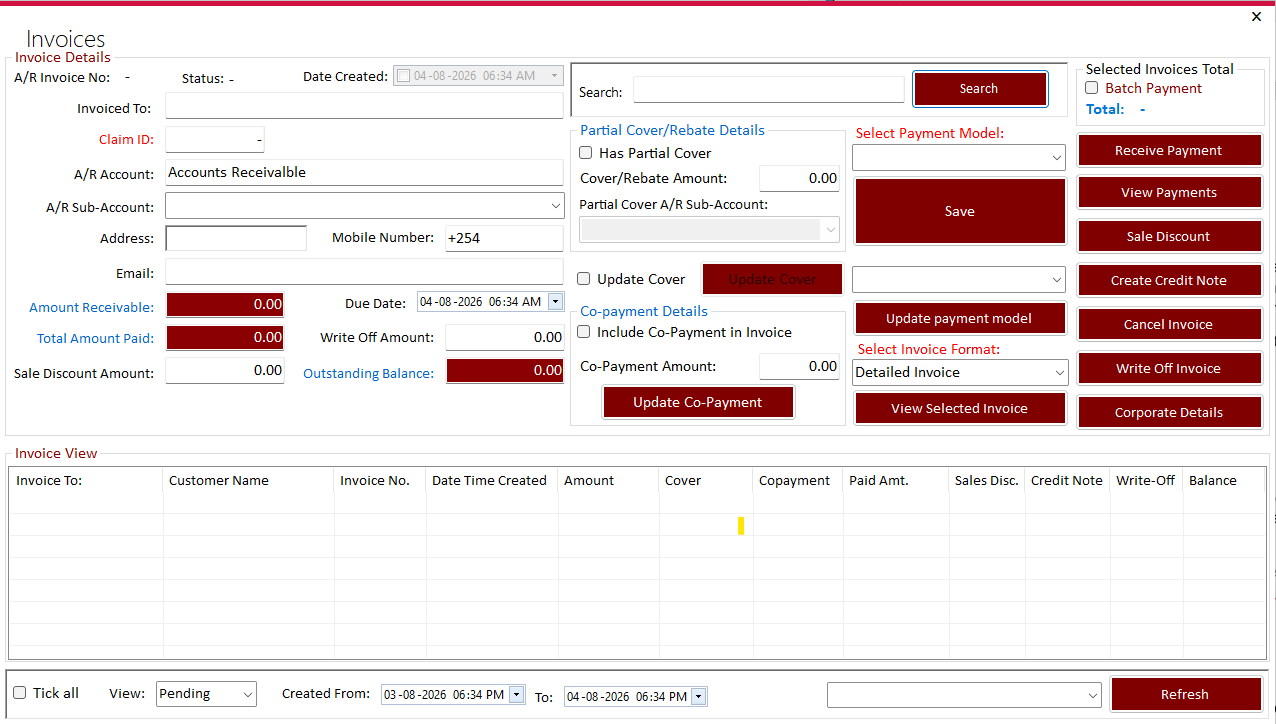
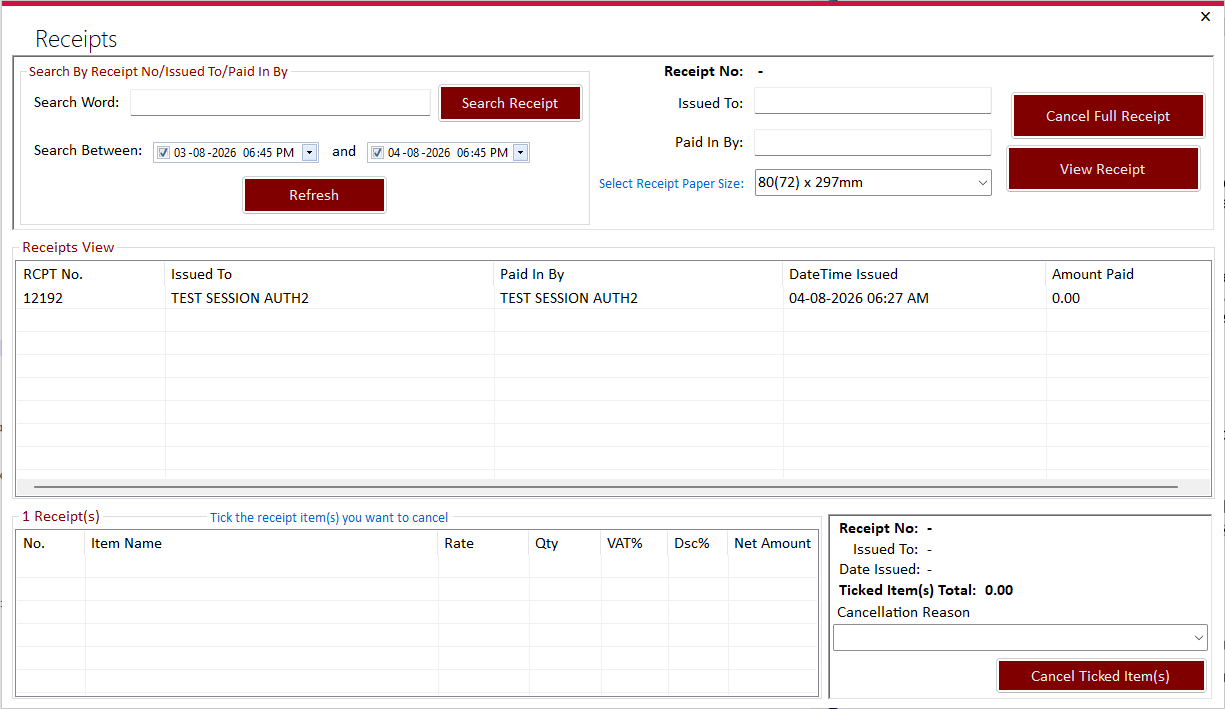
Hospitum Enterprise HIMS integrates financial operations into every stage of the patient care lifecycle, enabling healthcare organisations to manage billing, invoicing, receipts, credit accounts and cashier activities through a unified financial platform.
Financial transactions are securely linked to authenticated users, ensuring accountability while reducing operational risk. Automated controls help healthcare organisations maintain accurate revenue capture, minimise billing errors and strengthen internal financial governance.
- Integrated patient billing and invoicing.
- Corporate and insurance credit account management.
- Secure electronic receipt generation.
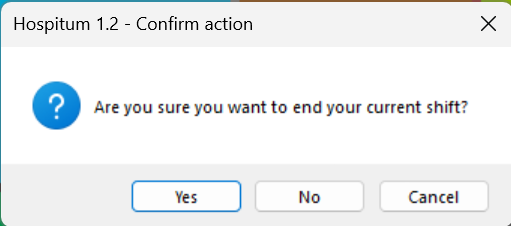
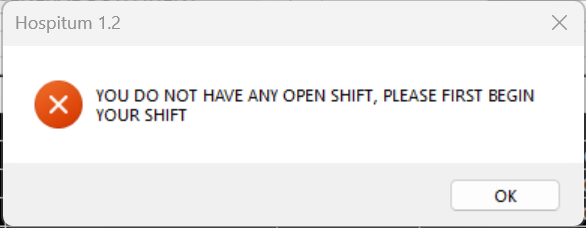
- Cashier shift management and reconciliation.
- Operational financial enforcement controls.
- Complete financial audit traceability.
- Role-based access to financial operations.
Every financial transaction performed within Hospitum is associated with the authenticated user responsible for the activity. Combined with shift management and audit logging, these controls strengthen accountability, support internal financial governance and assist healthcare organisations in maintaining accurate operational records.
Reporting & Analytics
Hospitum Enterprise HIMS provides comprehensive reporting and analytical capabilities that enable healthcare organisations to monitor operational performance, clinical activity and financial outcomes. Information captured throughout the platform is transformed into meaningful reports that support informed decision-making at every level of hospital management.
Reports are generated directly from live operational data, ensuring authorised users have access to accurate, timely and auditable information. Whether monitoring outpatient activity, reviewing financial performance or analysing operational trends, Hospitum provides healthcare leaders with actionable insights.
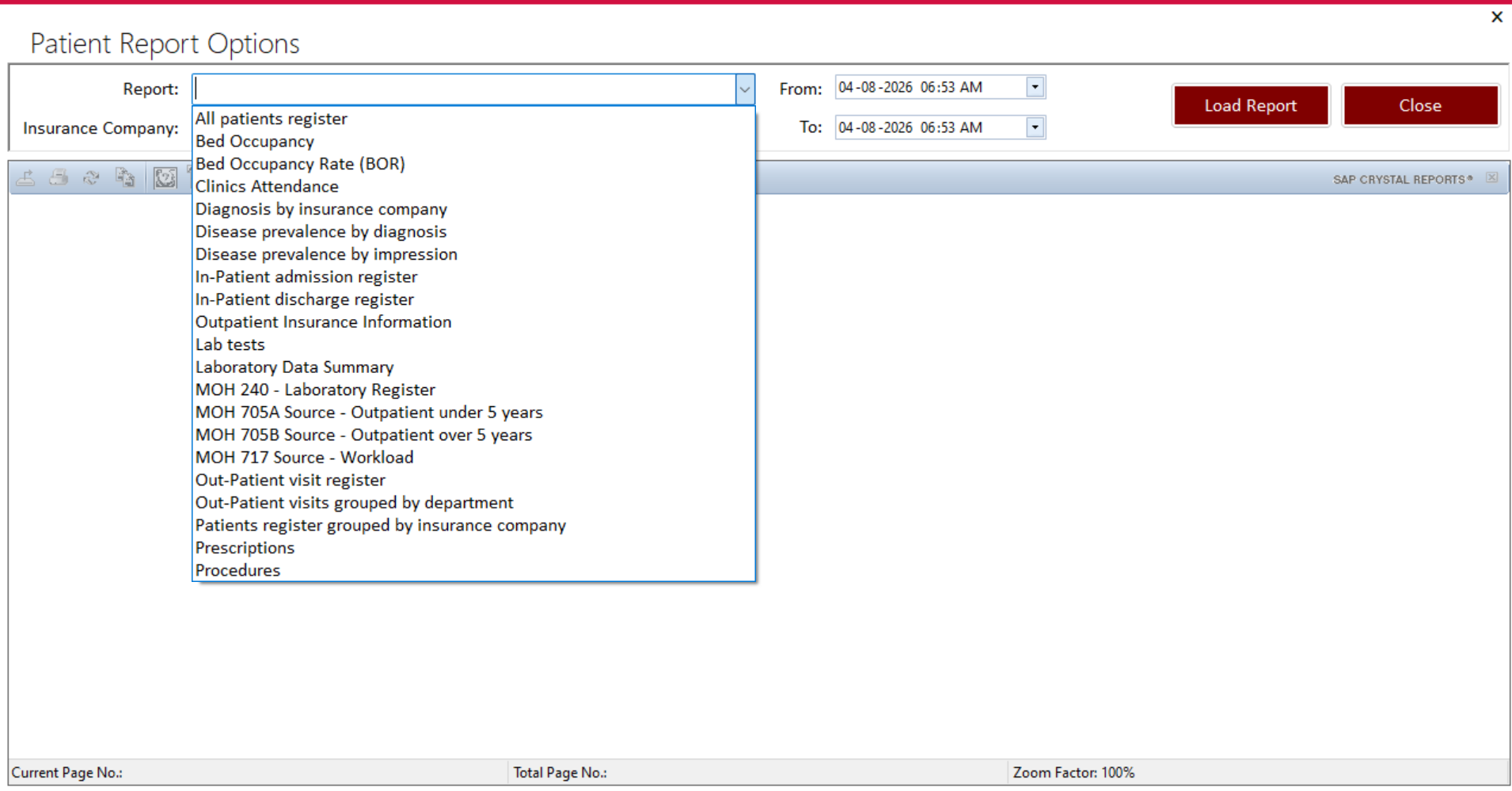
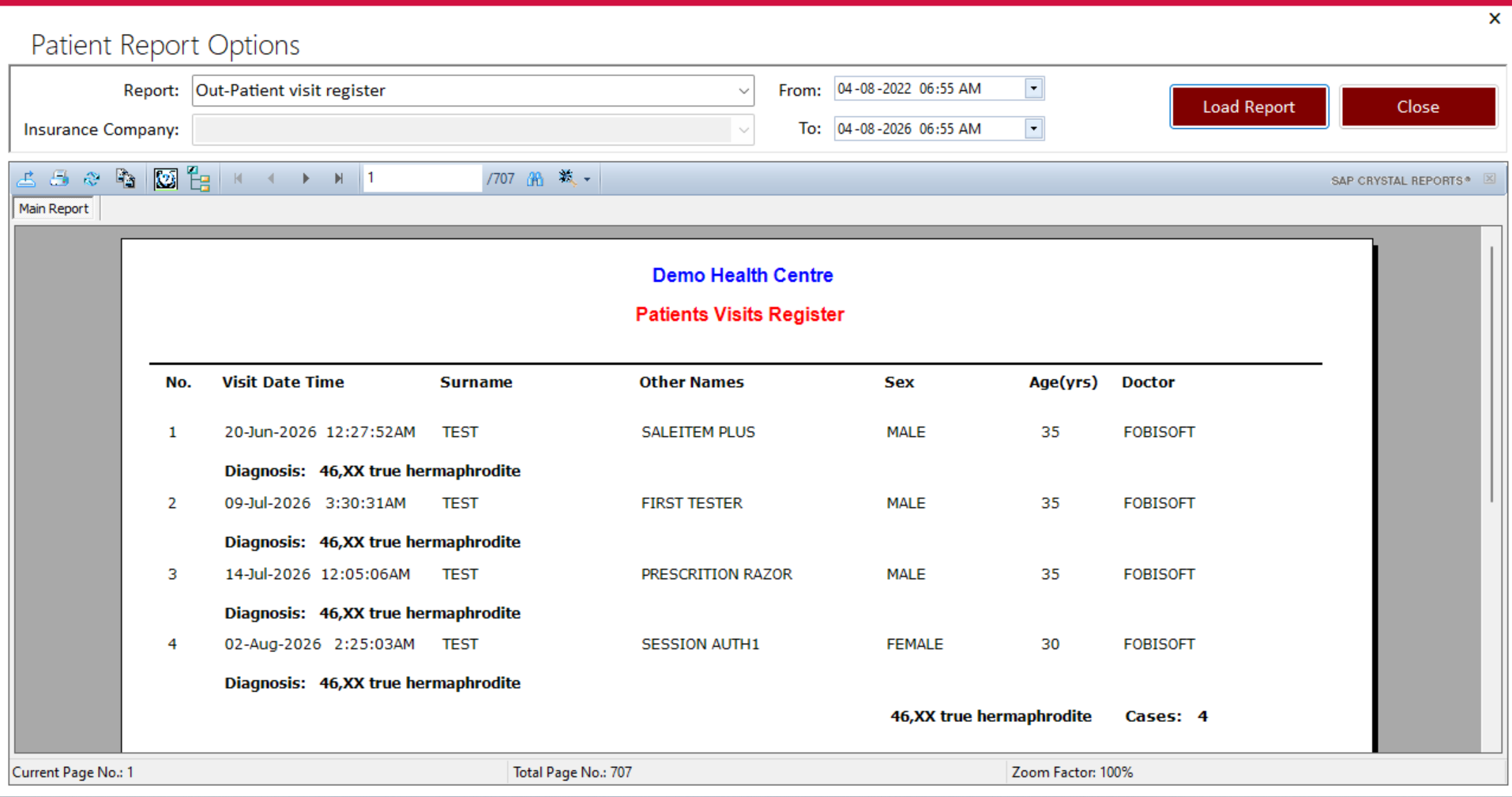
- Enterprise report viewer.
- Clinical activity reporting.
- Outpatient visit statistics.
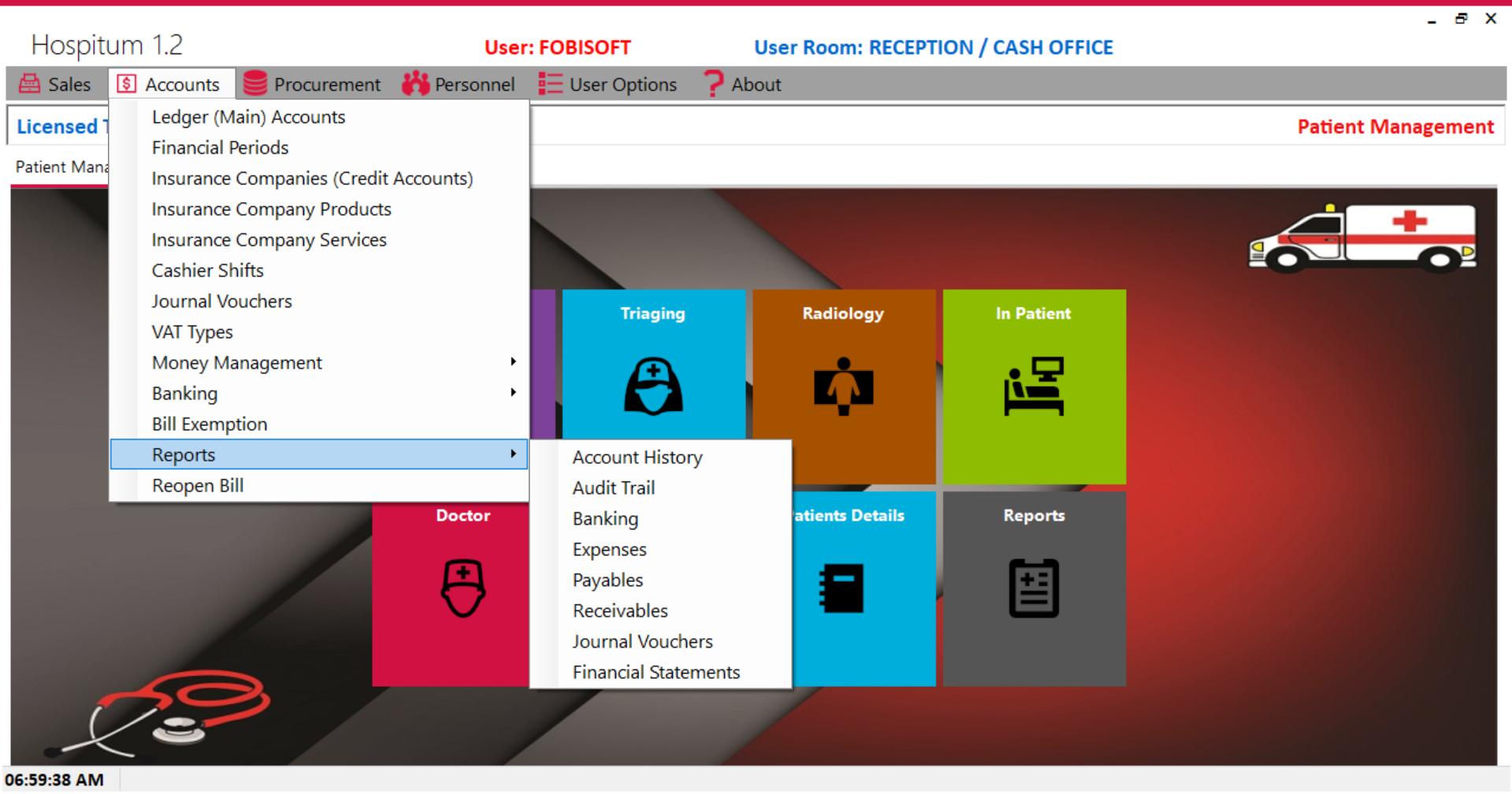
- Financial performance reports.
- Operational management reporting.
- Audit and compliance reporting.
- Secure access based on user roles.
Report generation within Hospitum is governed by the platform's Role-Based Access Control (RBAC) framework, ensuring that sensitive clinical and financial information is available only to appropriately authorised users while maintaining complete auditability of reporting activities.
Administration & User Management
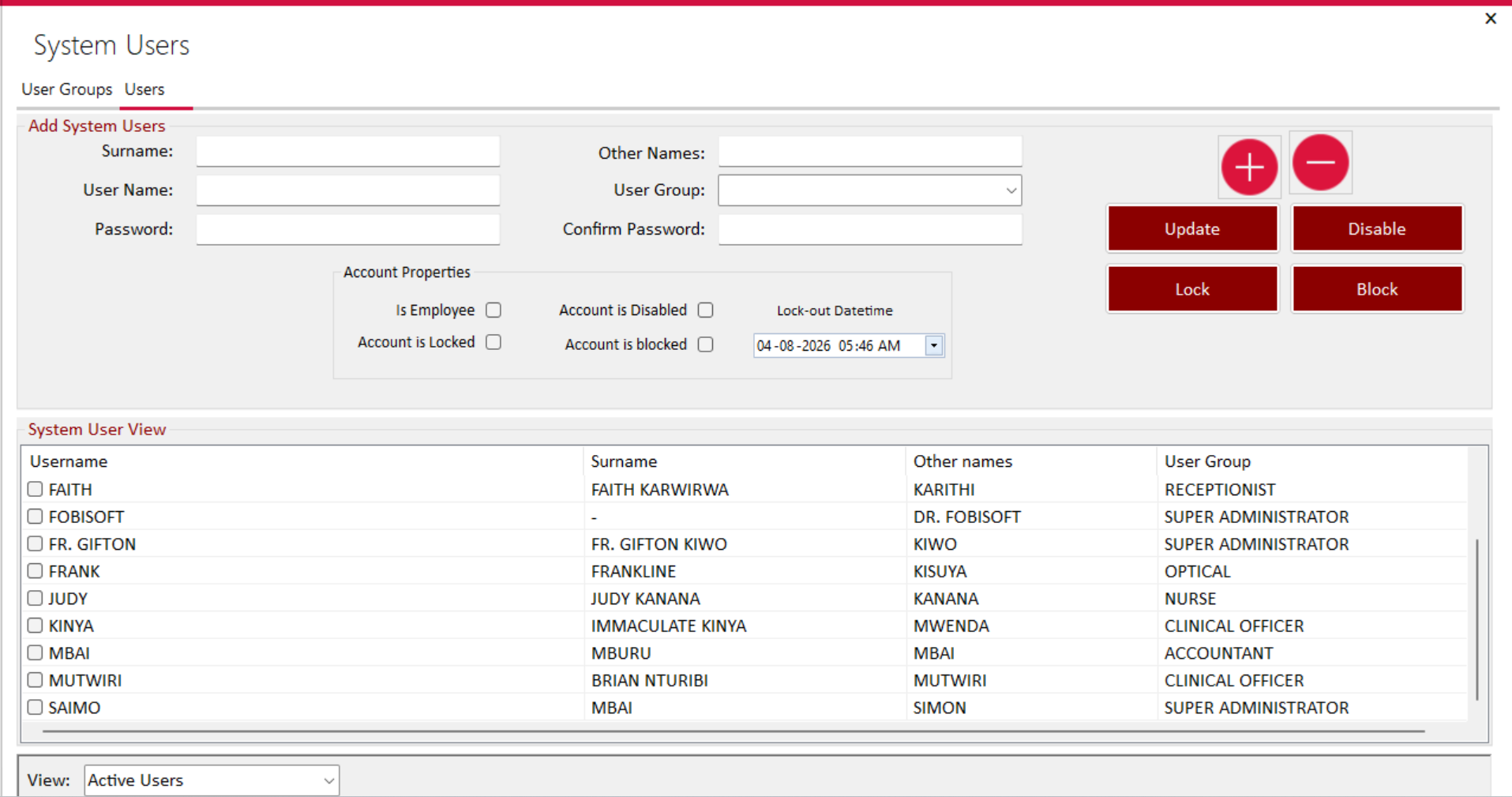
Hospitum Enterprise HIMS provides comprehensive administrative capabilities for managing users, security roles and system permissions. Through centralized administration, healthcare organizations can efficiently control access to clinical, financial and operational modules while ensuring every user is assigned only the permissions required for their responsibilities.
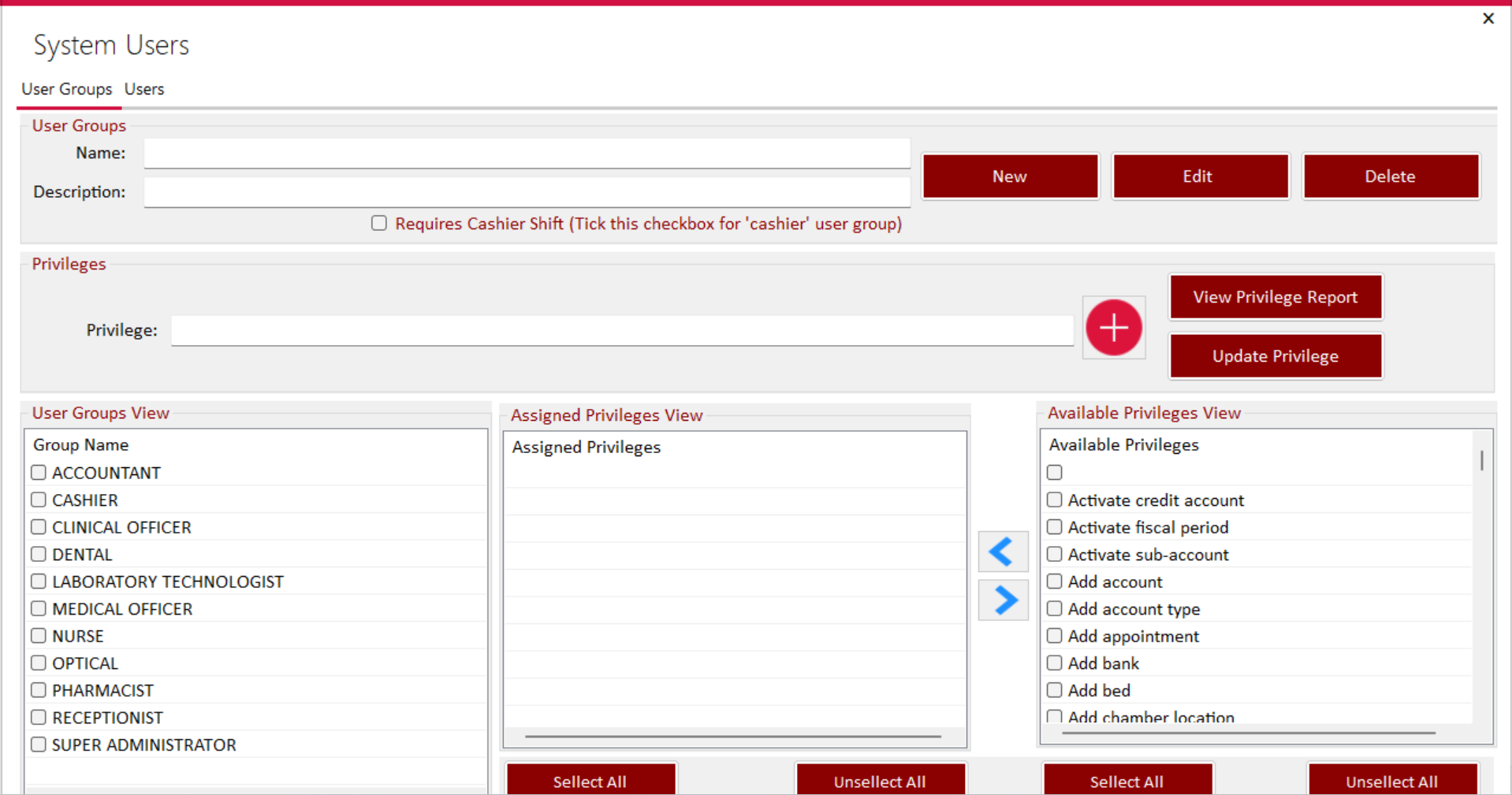
The platform implements configurable Role-Based Access Control (RBAC), allowing administrators to define User Groups that correspond to organizational roles such as Receptionist, Cashier, Nurse, Laboratory Technologist, Pharmacist, Clinical Officer, Medical Officer and System Administrator. Permission changes are immediately reflected across the platform without requiring individual user configuration.
- Centralized user administration.
- Configurable Role-Based Access Control (RBAC).
- Department-specific User Groups.
- Granular permission assignment.
- User activation and deactivation.
- Administrative auditability.
- Scalable enterprise security management.
Hospitum's administrative framework separates user identity from permissions by assigning privileges through User Groups. This approach simplifies administration, supports the principle of least privilege and enables organizations to manage access consistently as staffing structures evolve.
Security, Encryption & Audit Trail
Security is embedded throughout Hospitum Enterprise Hospital Information Management System (HIMS). Rather than relying on a single security mechanism, the platform implements multiple complementary controls including secure authentication, Role-Based Access Control (RBAC), password protection, comprehensive audit logging and administrative governance.
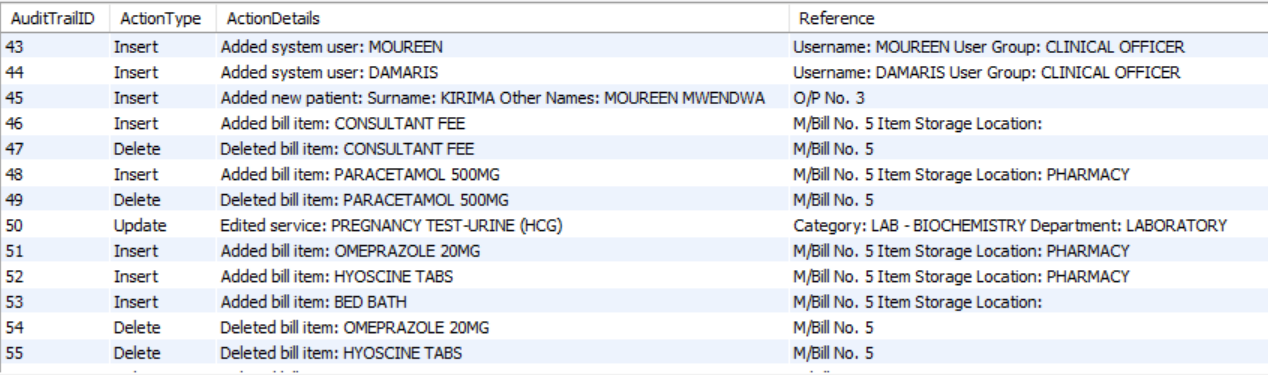
Every significant activity performed within the system is attributable to an authenticated user account. Administrative actions, clinical activities, financial transactions and system configuration changes are recorded to support accountability, incident investigation and regulatory compliance.
Passwords are never stored in plain text. Hospitum applies industry-recognised cryptographic techniques to protect user credentials, ensuring that authentication information remains confidential even in the event of unauthorised database access.

- Secure user authentication.
- Encrypted password storage.
- Role-Based Access Control (RBAC).
- Complete Audit Trail logging.
- Administrative accountability.
- Clinical activity traceability.
- Financial transaction auditing.
- Support for regulatory compliance.
Hospitum combines authentication, authorization, cryptographic protection and comprehensive auditing into a unified security architecture. These controls work together to preserve confidentiality, maintain data integrity and provide complete operational accountability across every module within the Hospital Information Management System.
Conclusion
Hospitum Enterprise Hospital Information Management System represents Fobisoft Solutions Ltd.'s commitment to delivering a modern, secure and fully integrated healthcare information platform for hospitals, clinics and healthcare institutions. Throughout its design and development, equal emphasis has been placed on operational efficiency, clinical excellence, information security and patient privacy.
As demonstrated throughout this whitepaper, Hospitum incorporates enterprise security principles including strong authentication, Role-Based Access Control (RBAC), secure password management, comprehensive audit logging, integrated financial controls and centralized administrative governance. These capabilities work together to help healthcare organizations protect sensitive patient information while improving the quality, efficiency and accountability of healthcare delivery.
The platform has been engineered to support healthcare providers of varying sizes, from private clinics to multi-department hospitals, with scalable workflows that integrate patient registration, clinical consultations, diagnostics, pharmacy, billing, reporting and administration into a unified healthcare ecosystem.
Fobisoft Solutions Ltd. remains committed to continuously improving Hospitum through secure software engineering, responsible innovation and close collaboration with healthcare professionals. Security, privacy, regulatory compliance and exceptional user experience will continue to guide the evolution of the platform as healthcare technology advances.
Organisations seeking to modernise healthcare delivery with Hospitum Enterprise Hospital Information Management System are encouraged to contact Fobisoft Solutions Ltd. for product demonstrations, technical consultations, implementation planning and deployment support.
Additional information, governance documentation and product resources are available through the Fobisoft Documentation Portal.